History
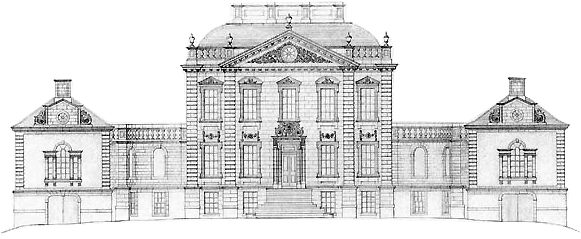
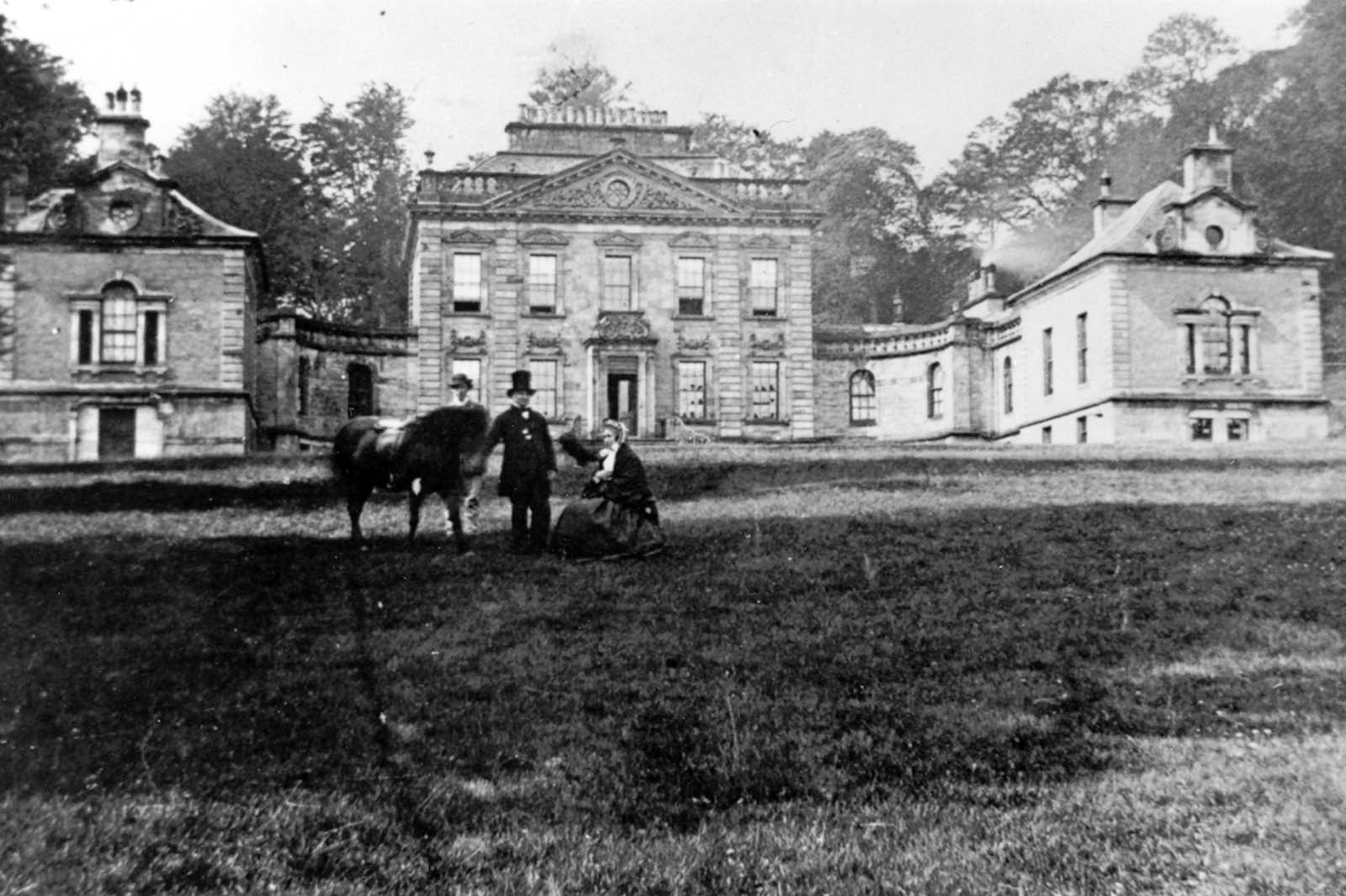
Internationally renowned, Mavisbank is Scotland’s most important small country house and the primary example of a ‘villa’ built within commuting distance of a town or city. It was designed and constructed in the 1720’s in a collaboration between Sir John Clerk of Penicuik, a leading figure of the Scottish Enlightenment, and architect William Adam. Following a fire in 1973 the house, of which the ownership is uncertain because of legal complexities, has remained an unstable ruin and its designed landscape largely neglected and difficult to access.
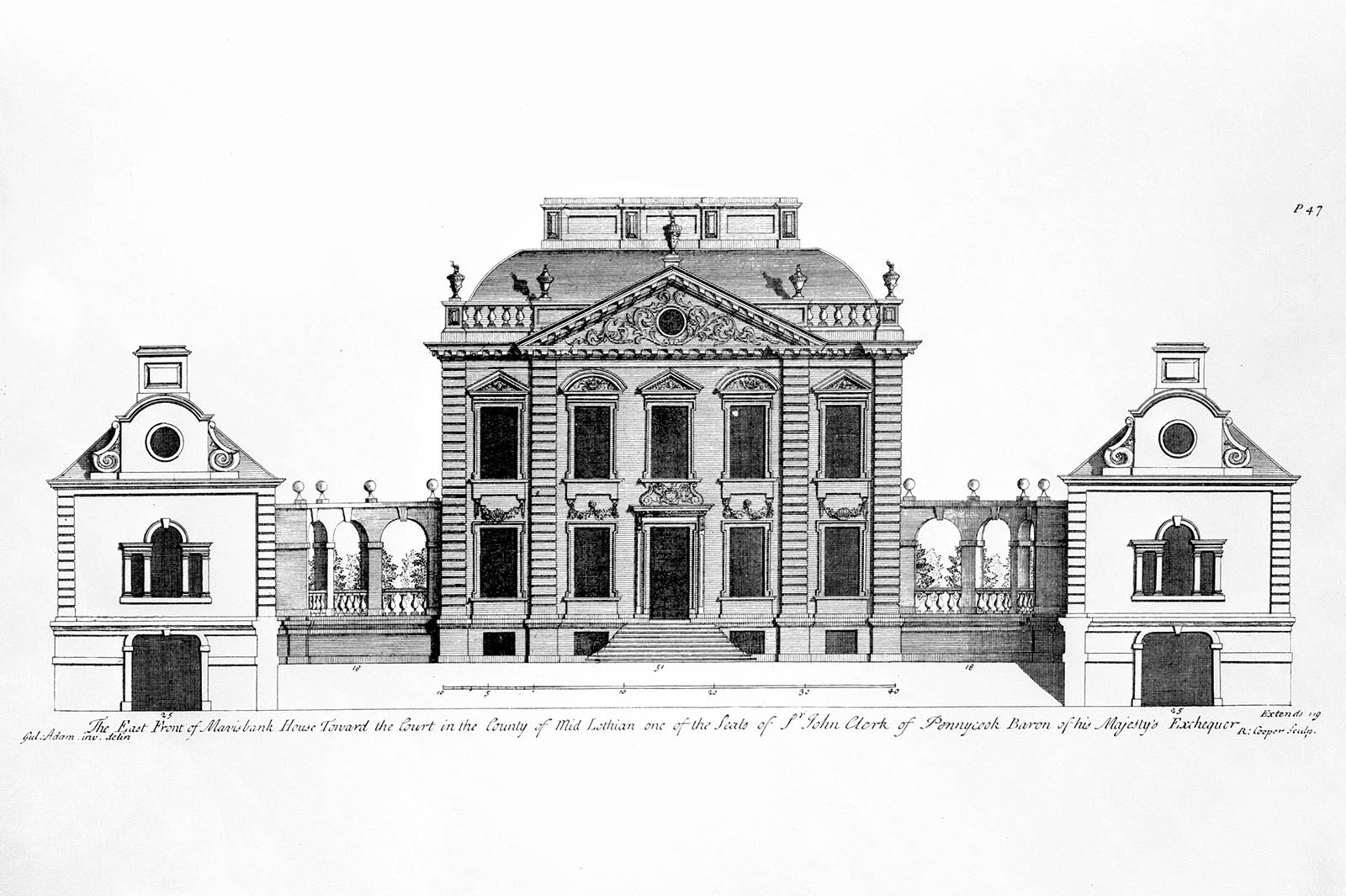
Mavisbank House represents the shift from the prevailing Baroque style of the period to the Neo-Classical style and had a profound influence on Scottish architectural history. It inspired a new generation of country houses with symmetrical plans, curving wings and classical ornamentation.
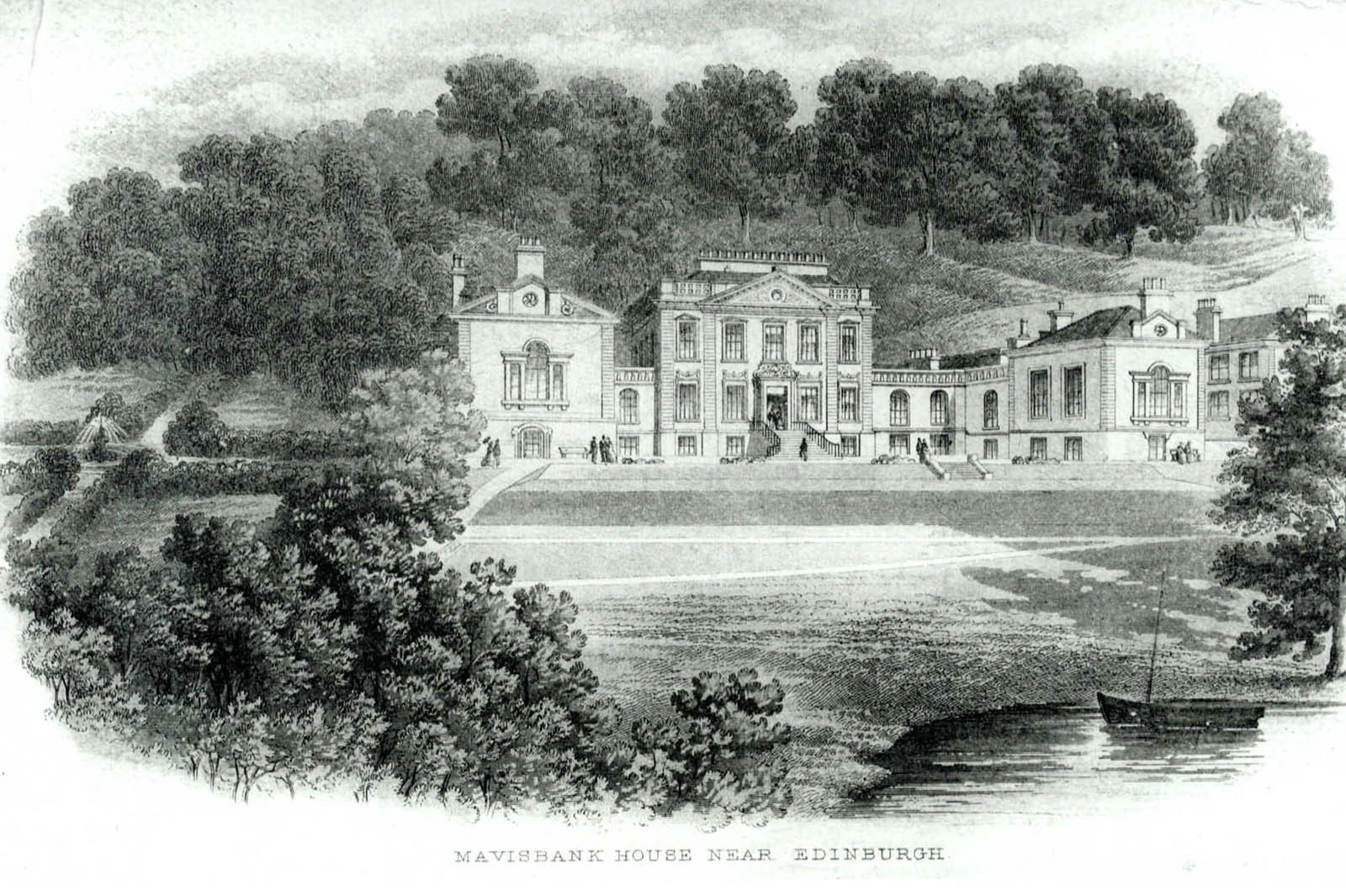
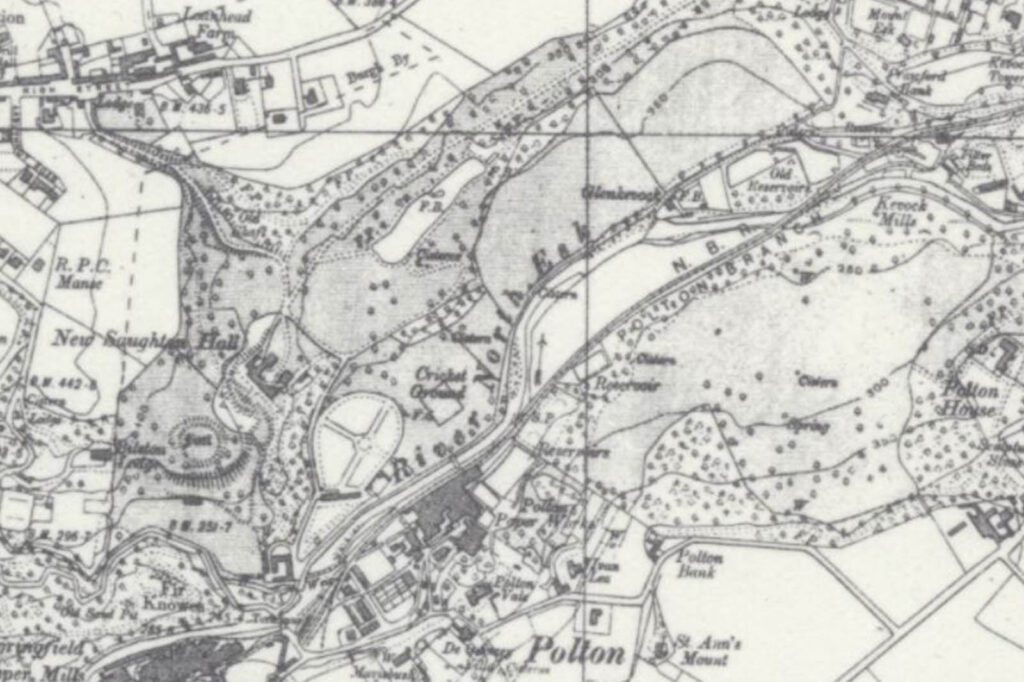
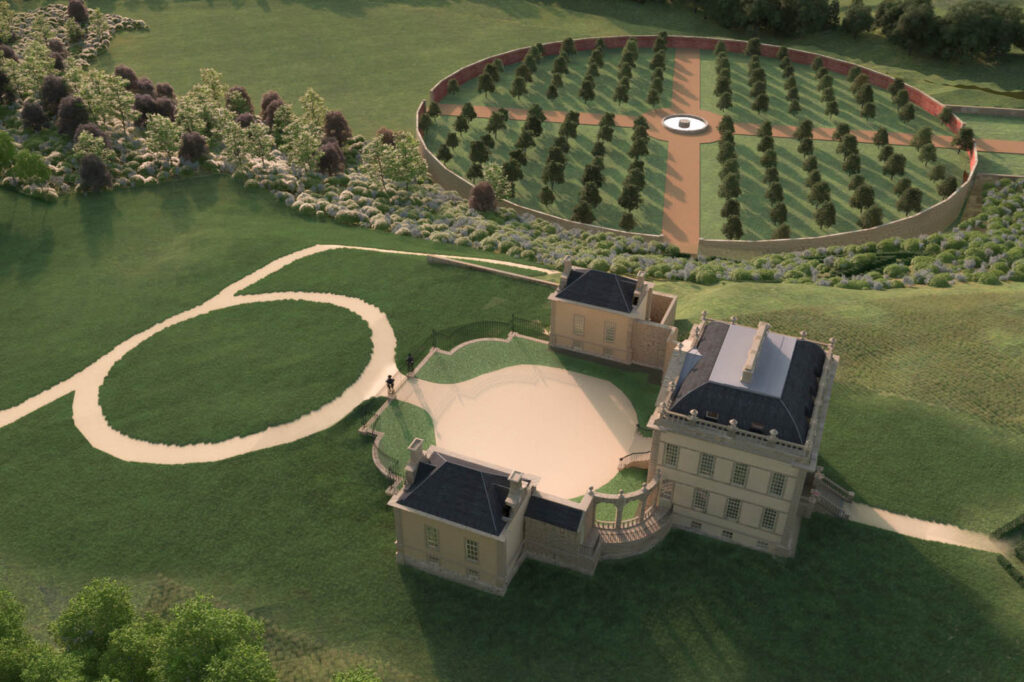
The creation of the Mavisbank landscape went on in parallel with the building of the house and continued until 1748 when Clerk confided to his journals that Mavisbank was ‘complete’. Clerk utilised the natural land form of the valley of the North Esk, creating his idea of a Roman Villa, with wildernesses, parks and gardens on the raised terraces which he separated with densely wooded slopes.
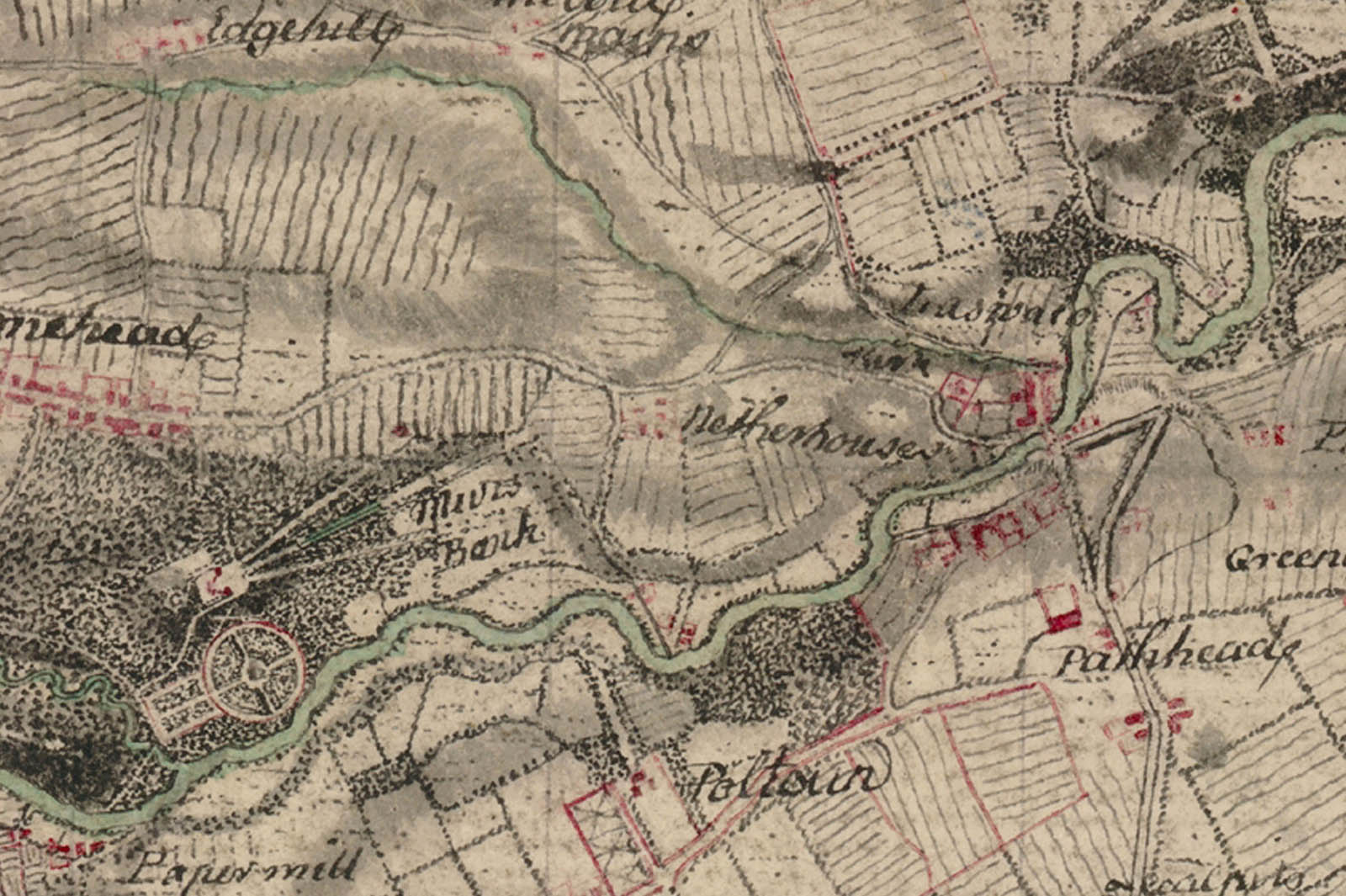
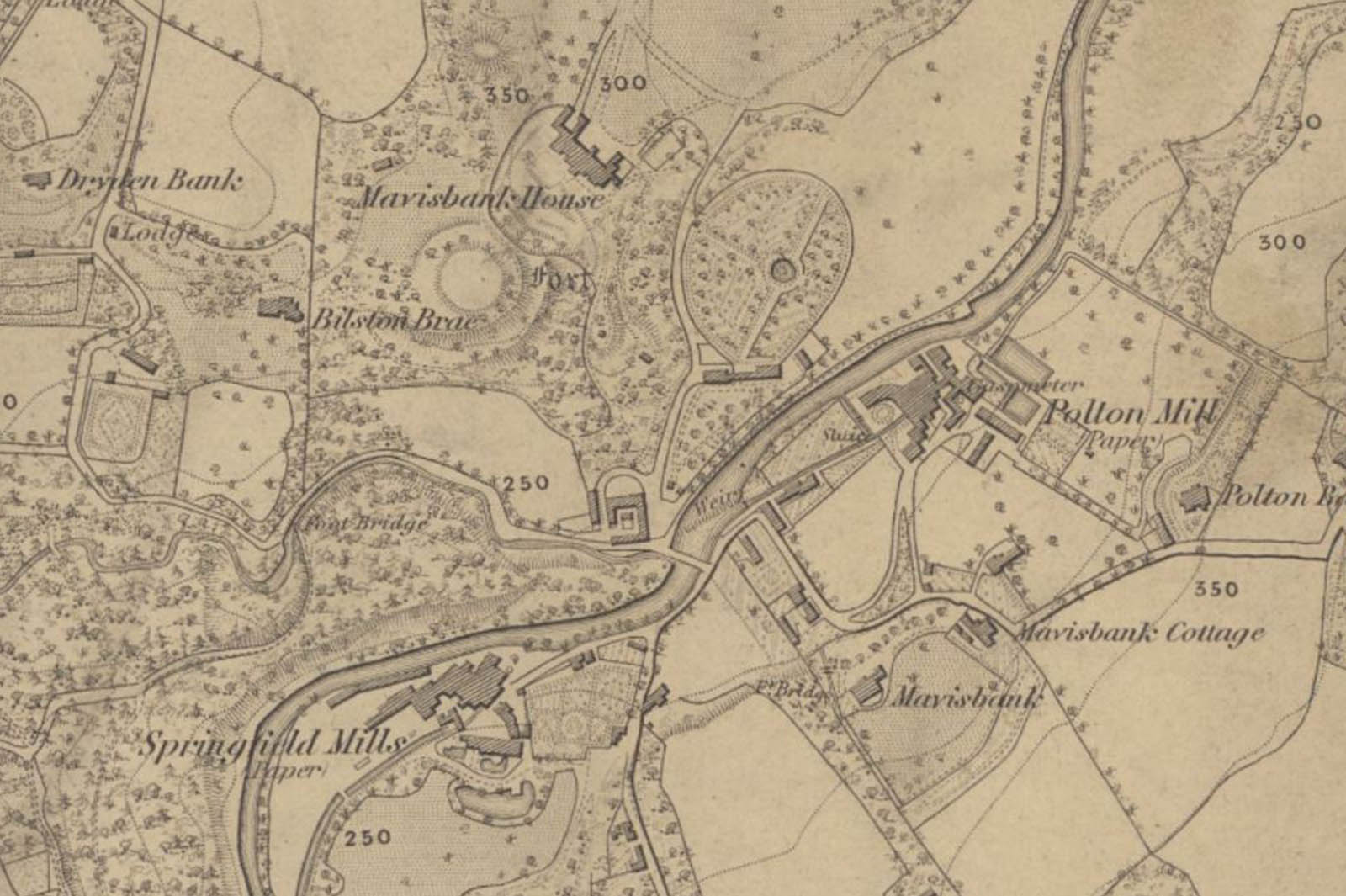
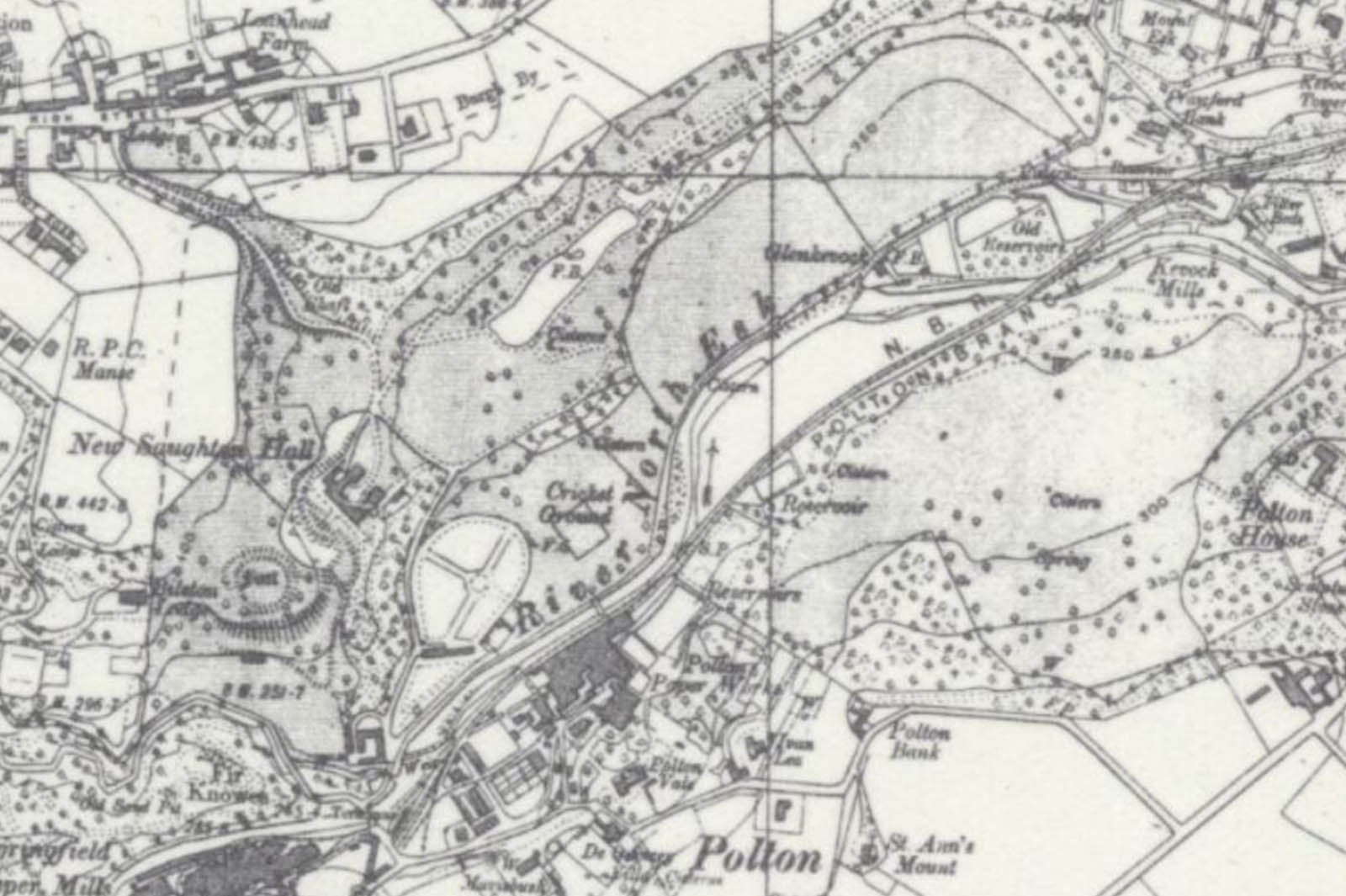
The designed landscape was organised around a central axis on the upper terrace that ran from the summit of a low rounded hill, bisected the valley and faded out at the rim of the valley. Mavisbank House was sited at the western end of this central axis at the foot of the low hill, facing north east.
The lower terrace contained open parkland for grazing livestock and two walled gardens sheltered by a woodland plantation. One walled garden was a large horseshoe shaped structure that may have been a tree nursery, and the second a small rectangular enclosure complete with summer house that may have been a flower garden.
Mavisbank Timeline
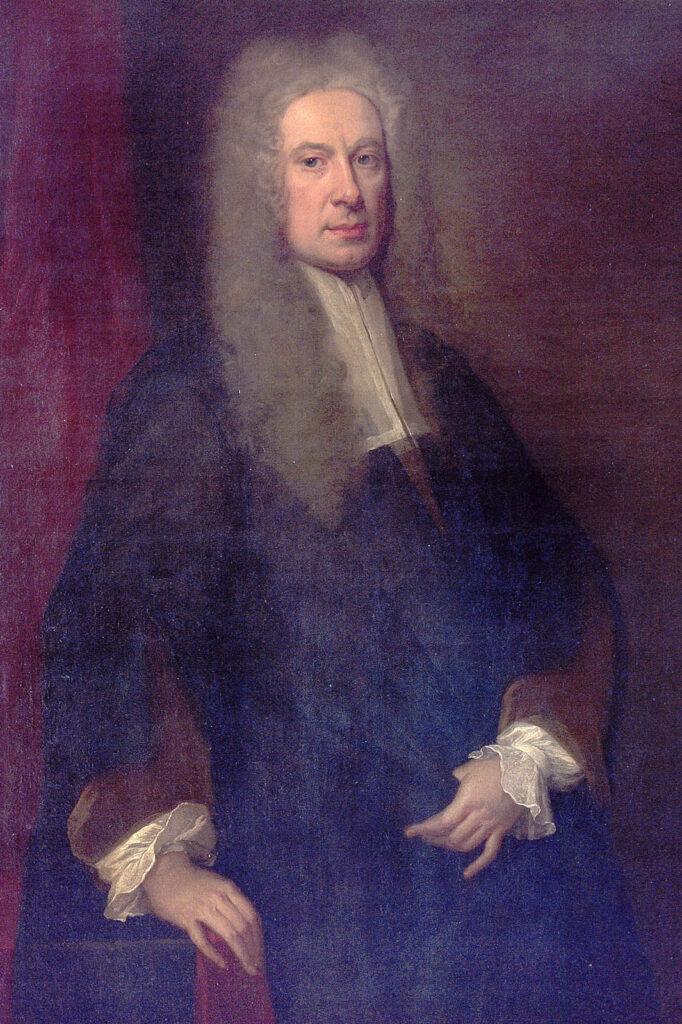
Sir John Clerk
Land at Lasswade purchased by Clerks
Mavisbank is part of Penicuik Estate and used for farming and wooded woodland Ferme Ornee
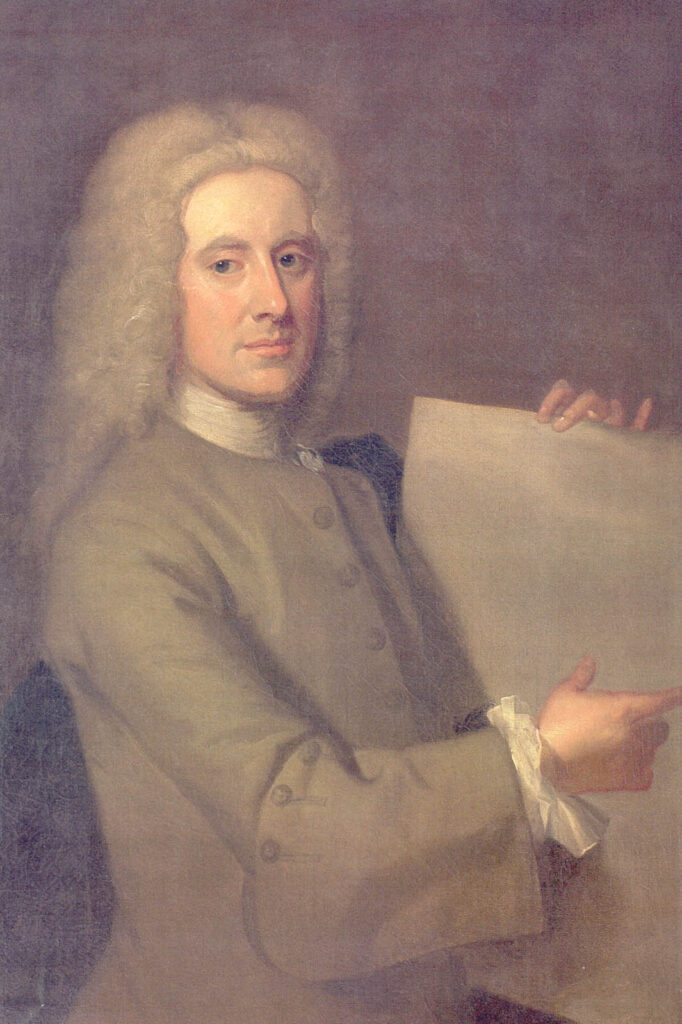
William Adam
Sir John Clerk’s Grand Tour of Europe, visiting notable classical architecture which influenced him culturally, developed his love of music and was his inspiration for Mavisbank.
Sir John Clerk appointed to a number of government posts including the Scottish Member of the first Parliament of Great Britain and Baron of the Scottish Exchequer
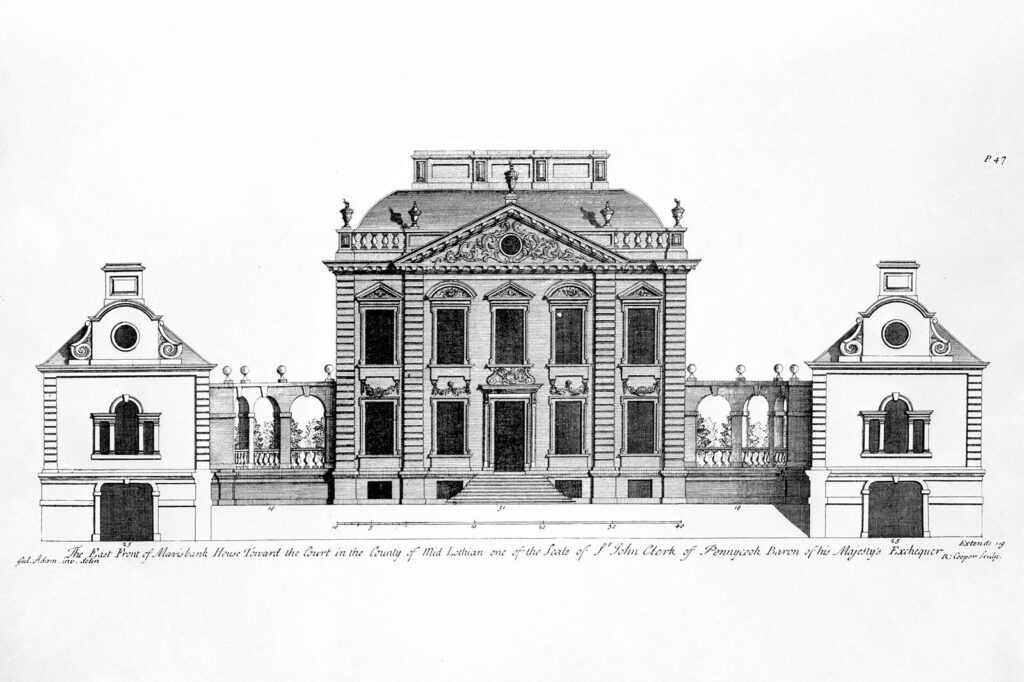
Sir John Clerk designs Mavisbank House in collaboration with William Adam
Foundation stones laid
John Baxter, mason, takes over the building of the house from Adam
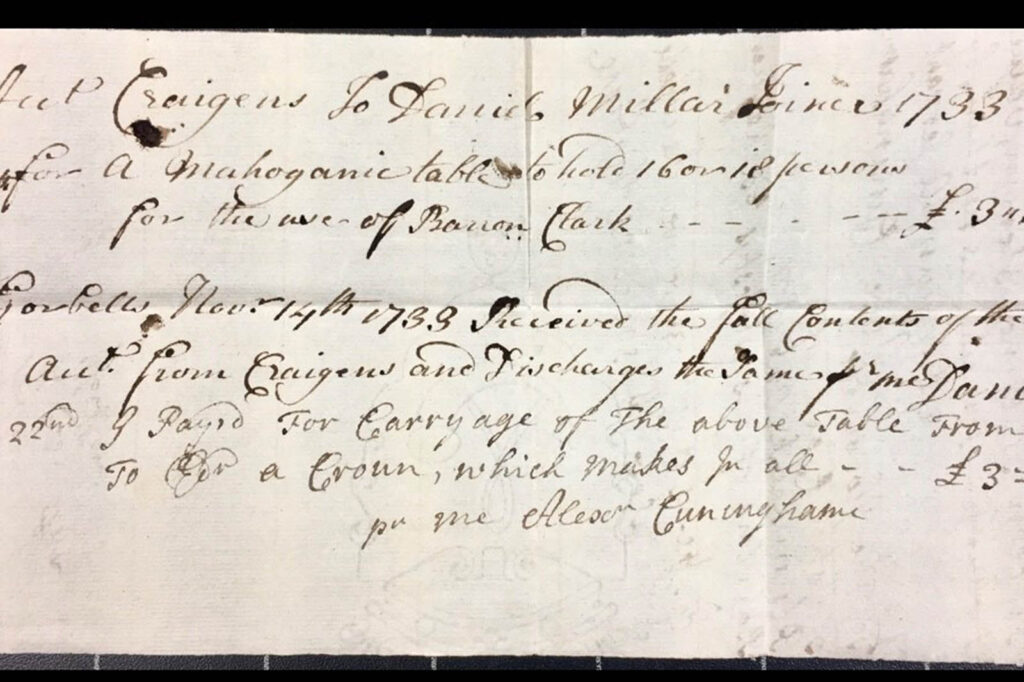
Construction and fit out works continuing through to 1735/37
Springfield Mill (paper making) opens on the River North Esk, followed by other Mills along the Esk toward Lasswade village
Bonnie Prince Charlie lands in Scotland to claim the British throne
Sir John Clerk, 2nd Baronet dies
The Clerk Family Period
House passes to Sir James Clerk (Sir John Clerk’s son) – however he had little interest in Mavisbank
First Industrial Revolution
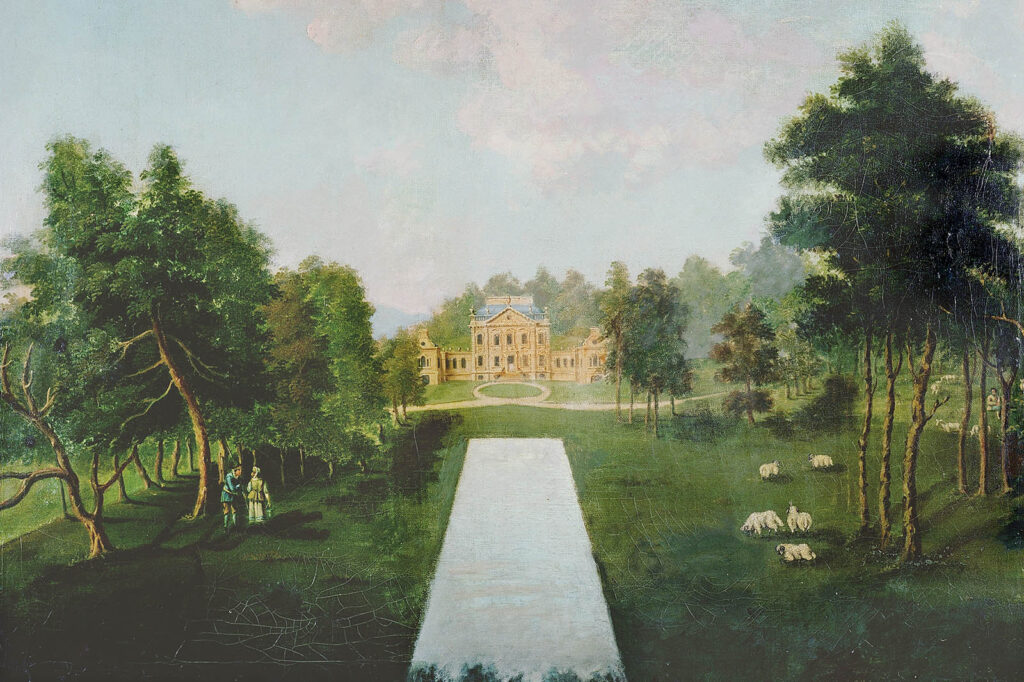
House conveyed to Sir James’s cousin, Robert Clerk – the owner for over 50 years, who made some modifications and alterations to the house
Sir Walter Scott occupies nearby Barony House – his work influenced by the River Esk and the Esk Valley
Vitruvius Scoticus, William Adam’s portfolio which includes Mavisbank is published posthumously
Robert Clerk dies and Mavisbank is sold out of the Clerk family
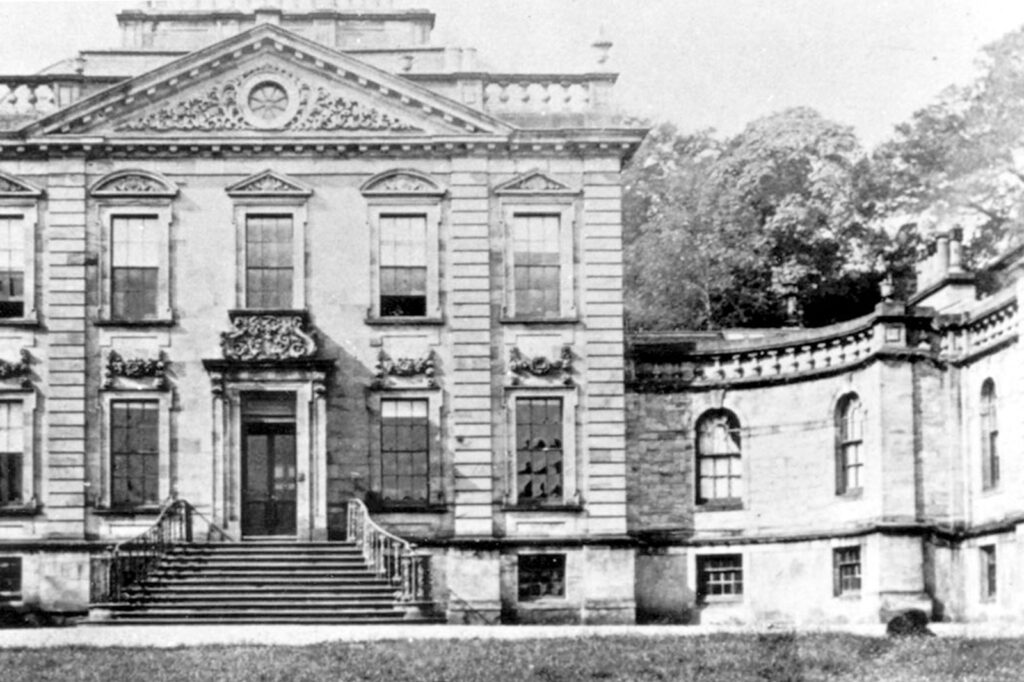
Various Owners
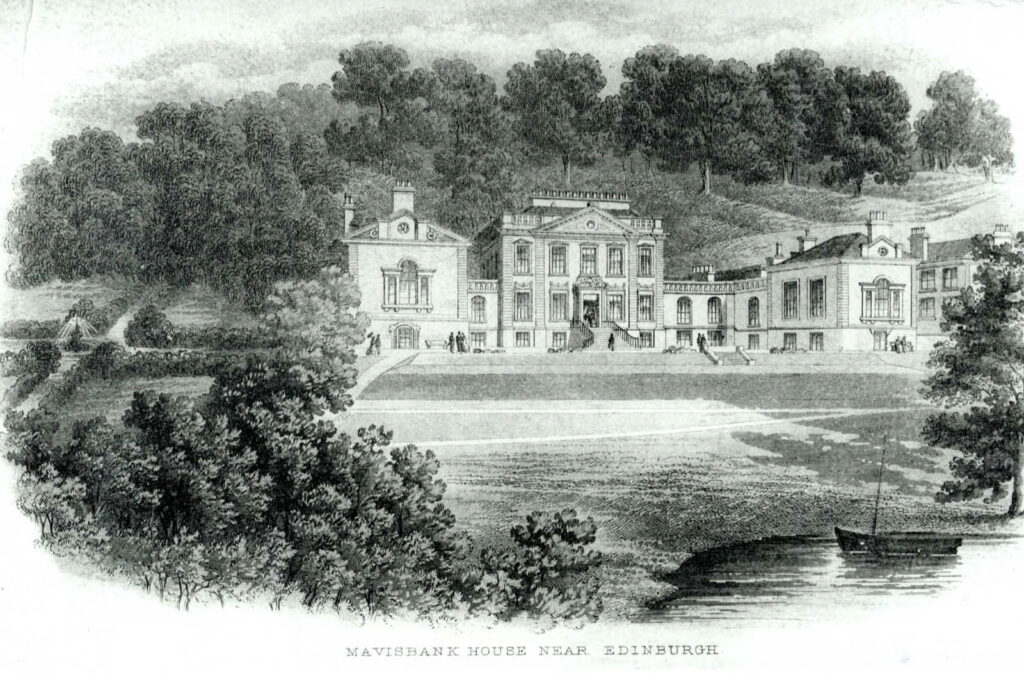
Graeme Mercer extended the property from a modest villa (as it can be seen now) to a substantial house, nearly tripling the house in size. Main stair was relocated. Clerk arms replaced to those of the Mercers
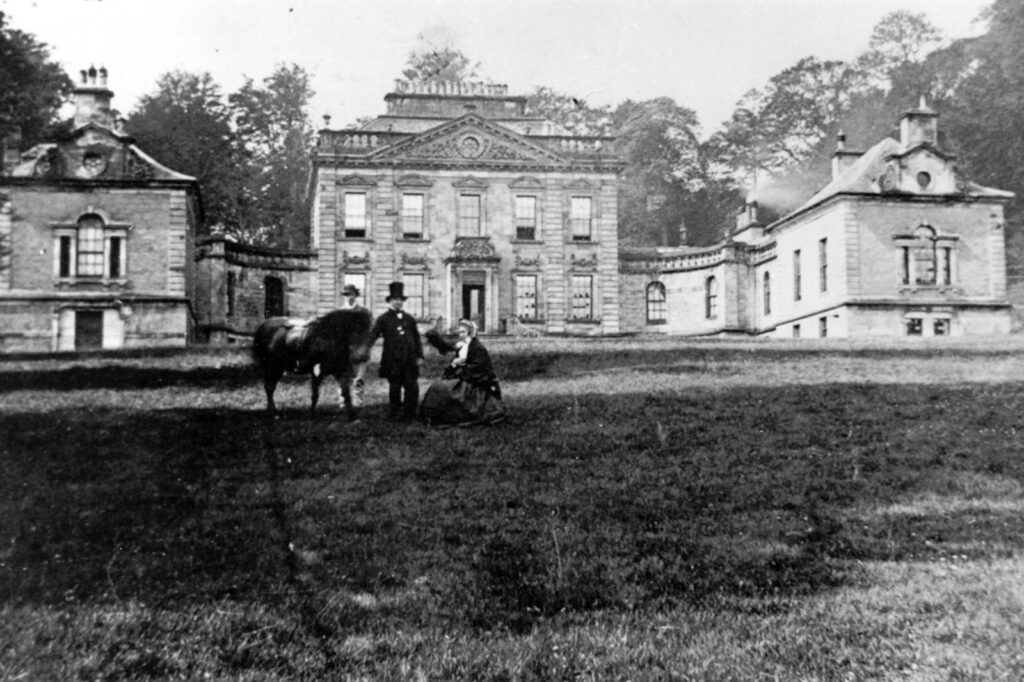
George Clerk Arbuthnot, Merchant from Liverpool, purchases Mavisbank
The Paper Mills along the Esk from Penicuik to Musselburgh resulted in extreme water pollution, noise and smell – Mavisbank became less attractive as a family home
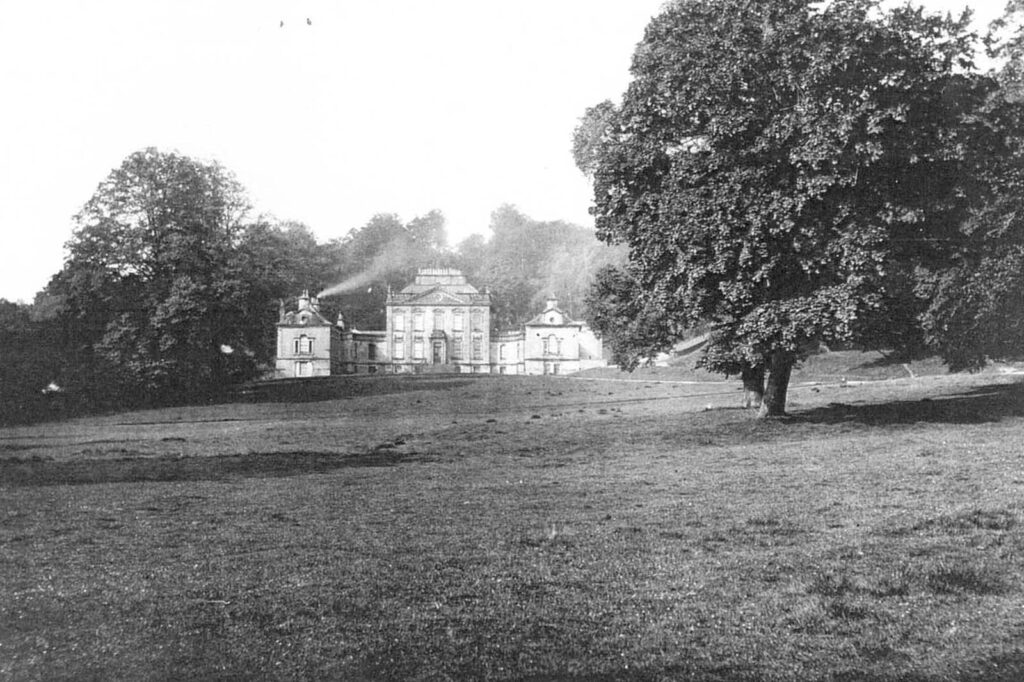
An Institution / Asylum
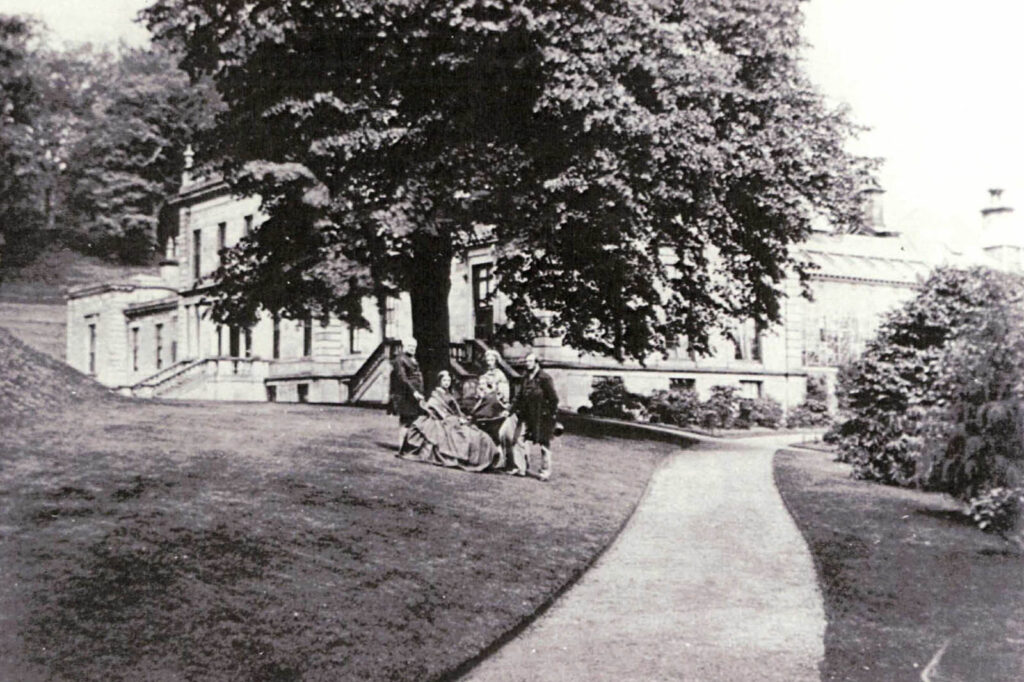
The Mavisbank Company Ltd took ownership. Operated the house as a psychiatric hospital. Catered for the ‘upper and middle classes of mental sufferers’
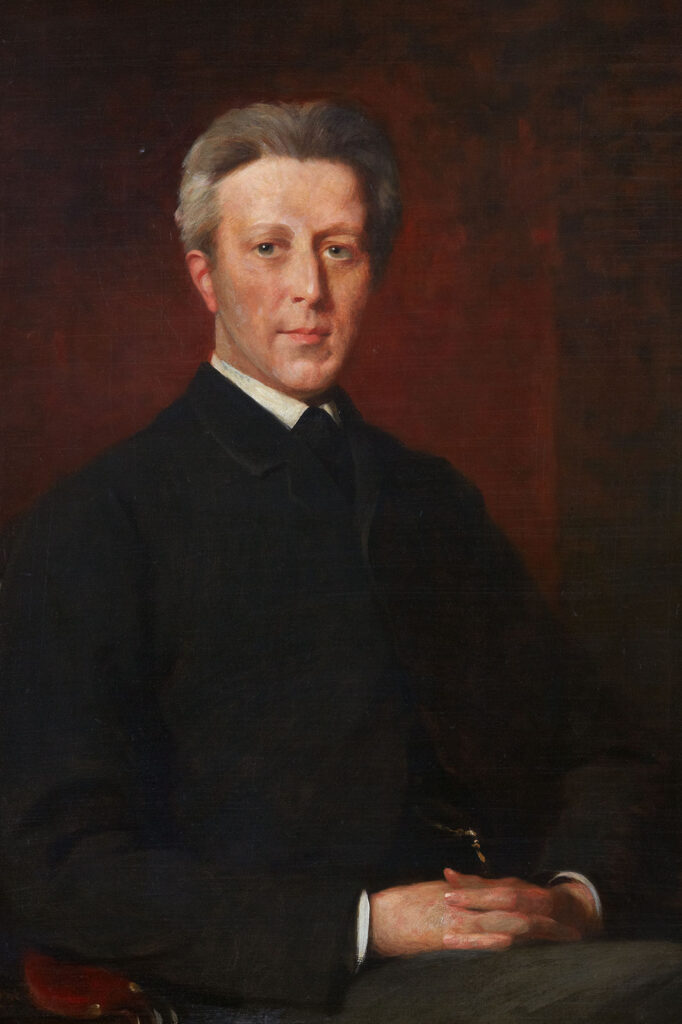
Dr Joseph Bell (surgeon and lecturer) one of the doctors at Mavisbank was the real life inspiration for Sir Arthur Conan Doyle’s character Sherlock Homes – Conan Doyle was one of Bell’s students and he modelled Holme’s deductive methods on him
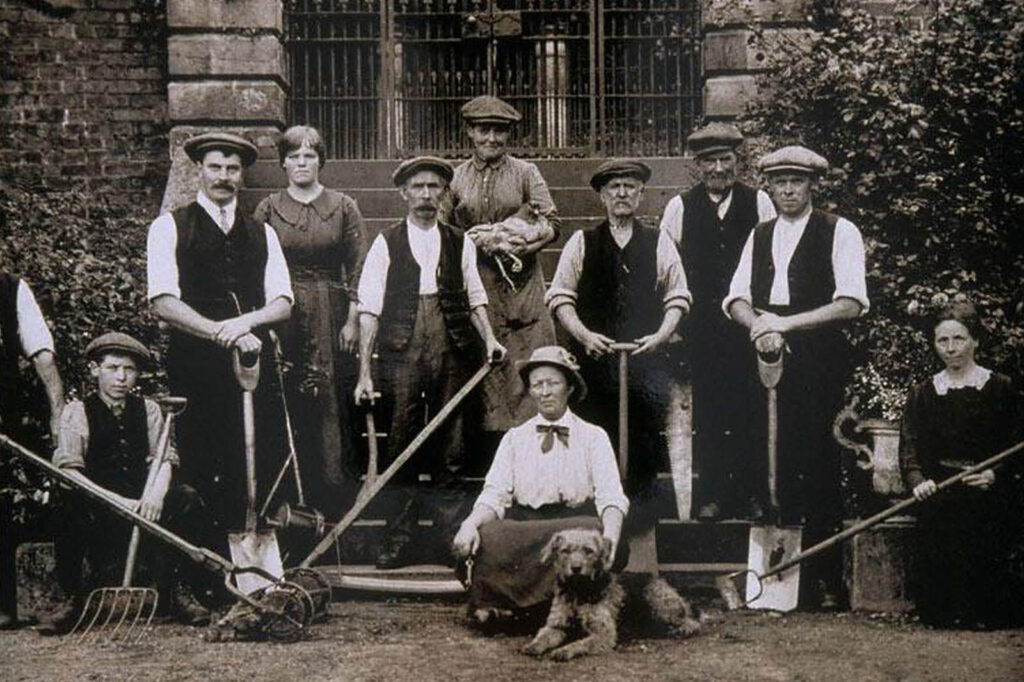
Mary Elizabeth Burton was Head Gardener. Policies had walled garden, flower gardens, golf course, cricket pitch and a tennis lawn. Read A Head Gardener’s Story.
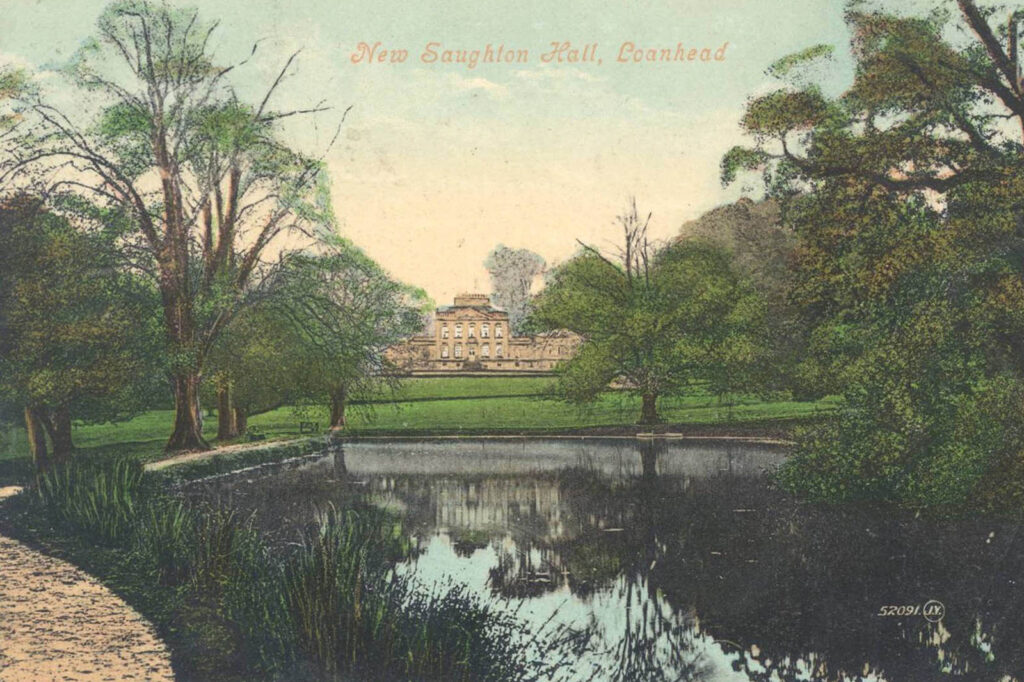
Mavisbank House name changed to New Saughton Hall
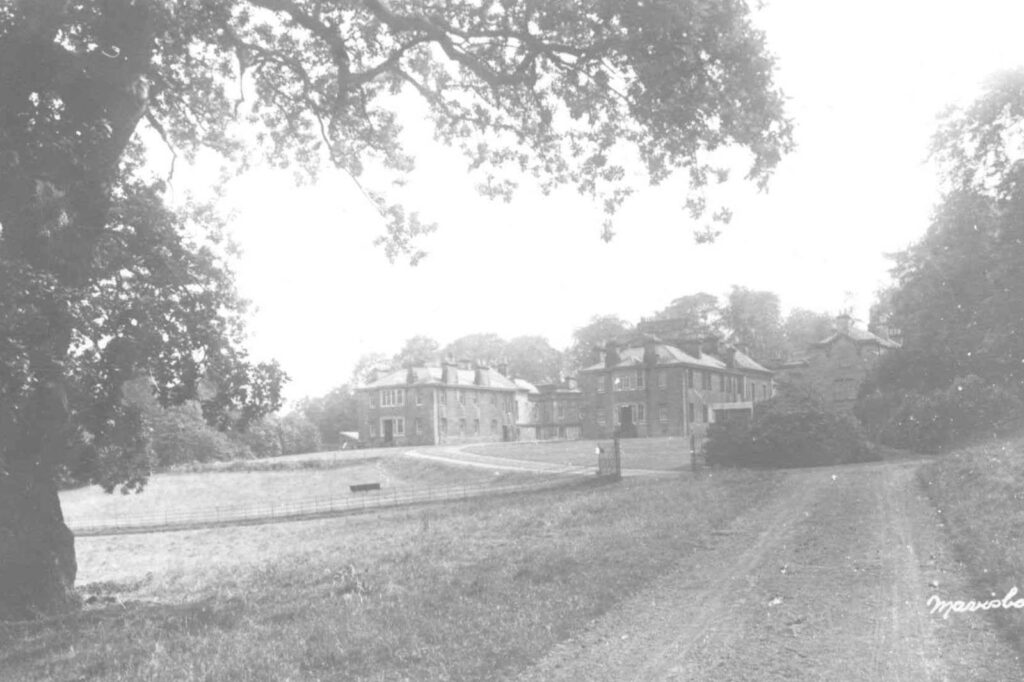
Plans show the house was further extended to the front of both pavilions
World War I
World War II
NHS established putting private institutions under pressure
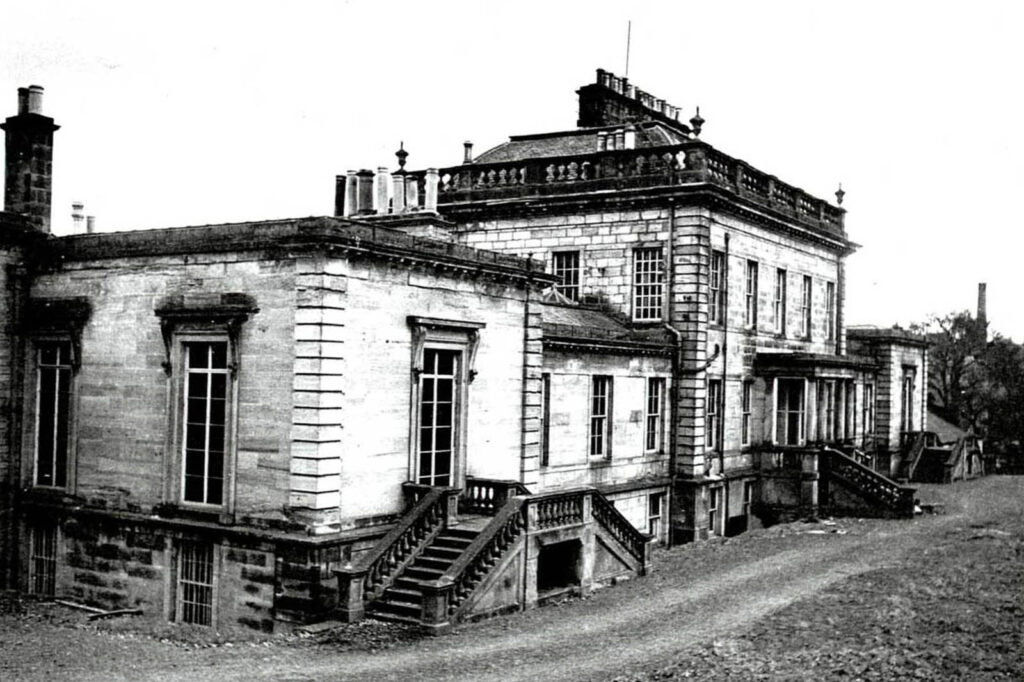
Hospital closed and house and contents put up for sale
Decline and Deterioration
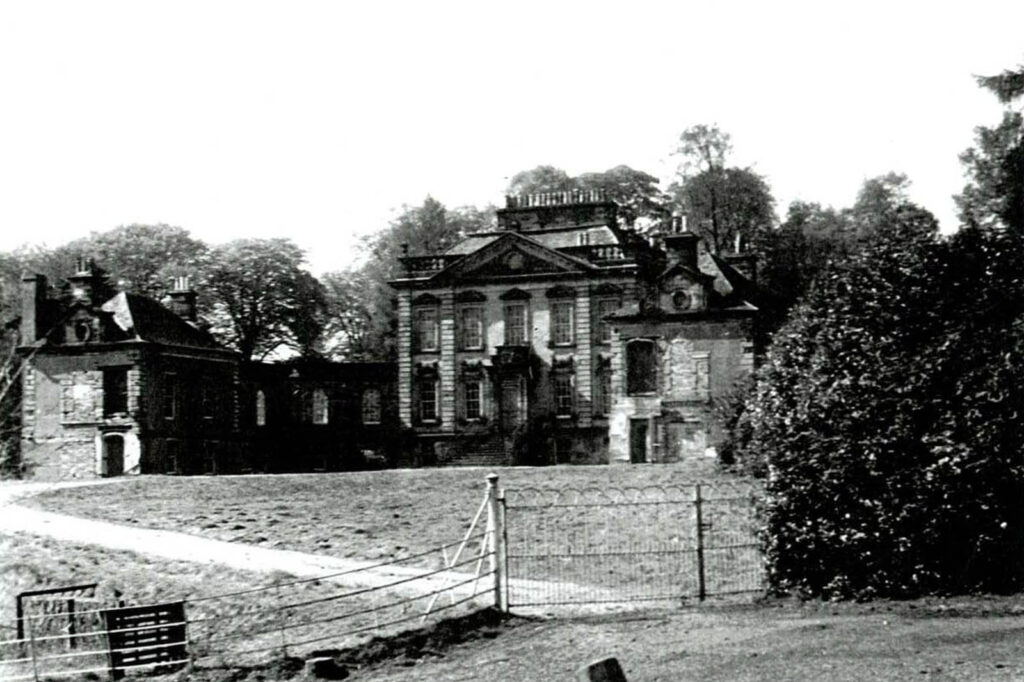
Additions and extensions demolished for tax reasons
House bought by Dr William Harrowes (former medical superintendent at New Saughton Hall)
Concern the building had been suffering from subsidence caused by coal mining – dismissed by Coal Board engineer
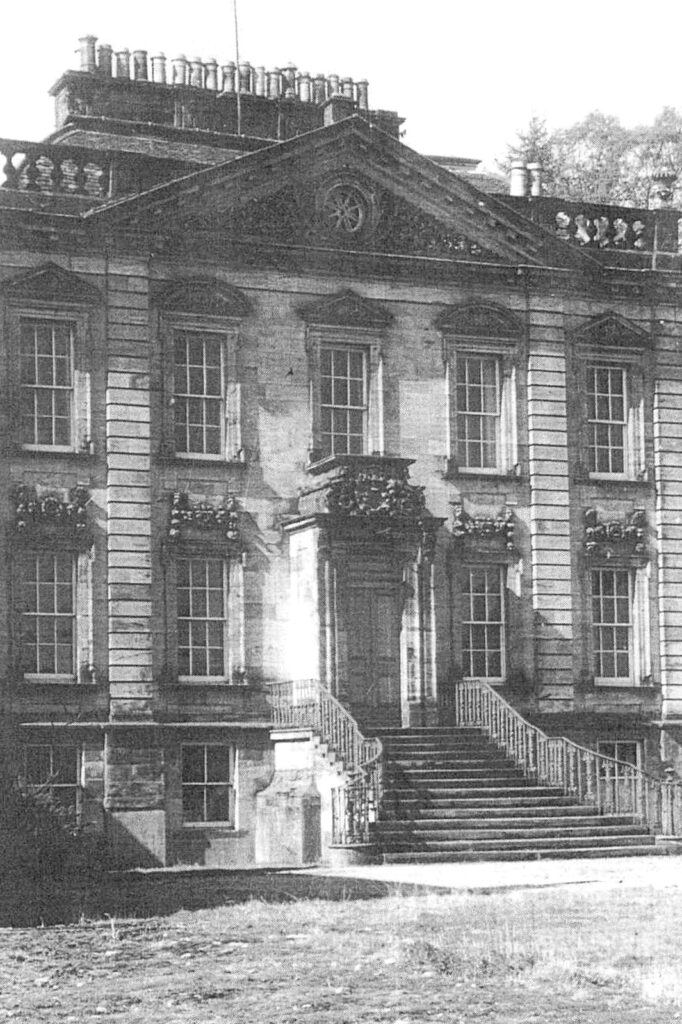
House purchased by Mrs Willis Stevenson (on behalf of her husband Archie Stevenson)
Coal board carried out repairs to pipes damaged by mining activity – although there is no record of other damage to the house and its masonry
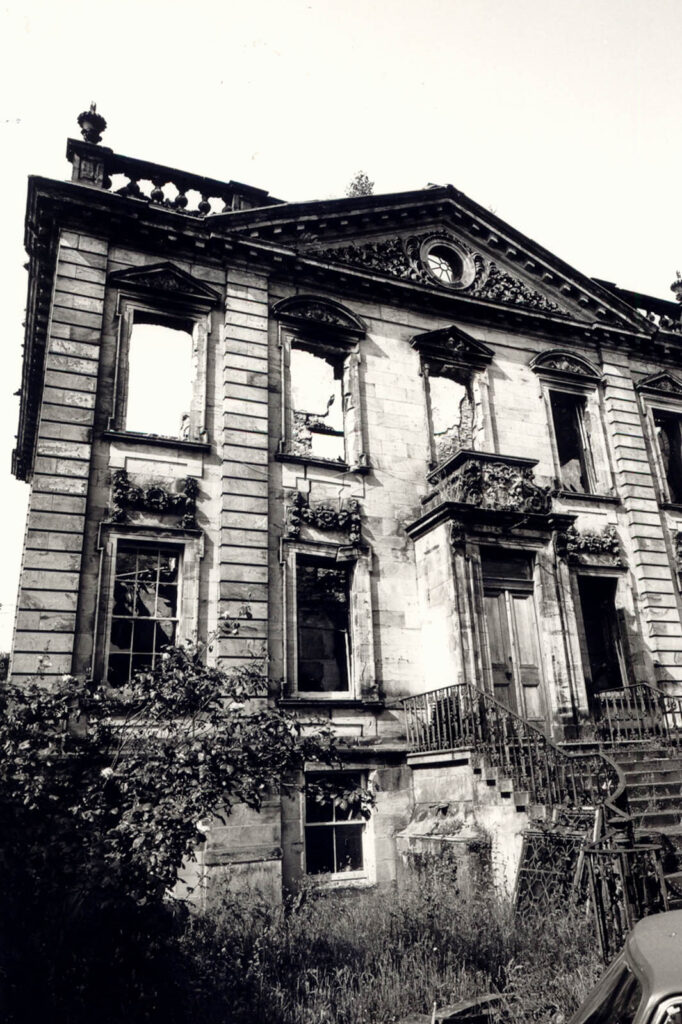
Major fire
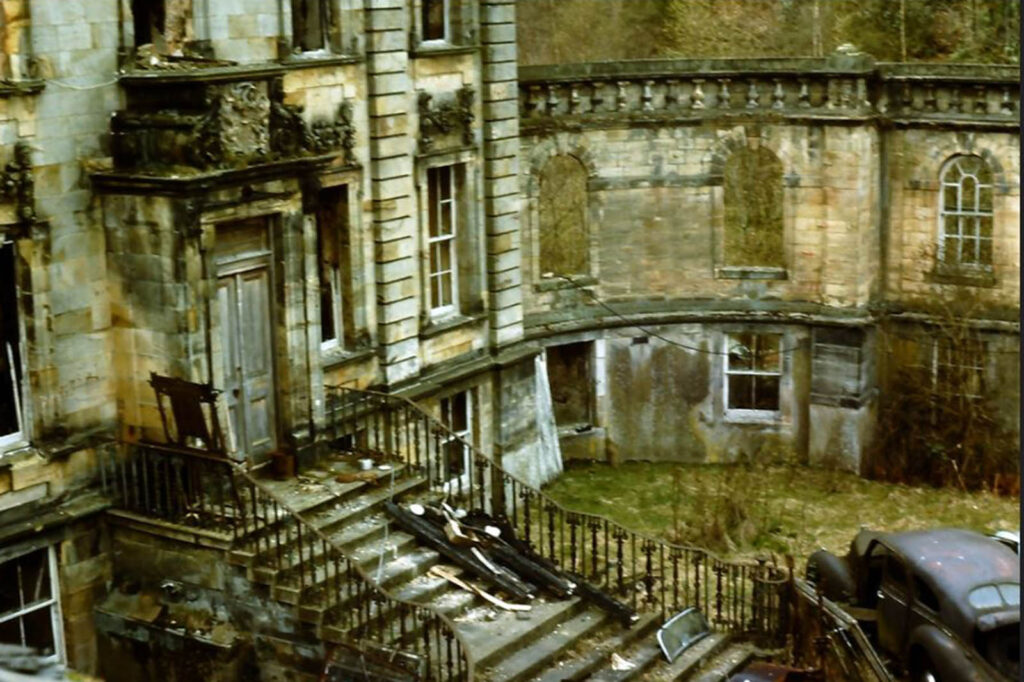
Multiple transfers of ownership and subdivision of ownership, of both house and grounds (policies) including access drives
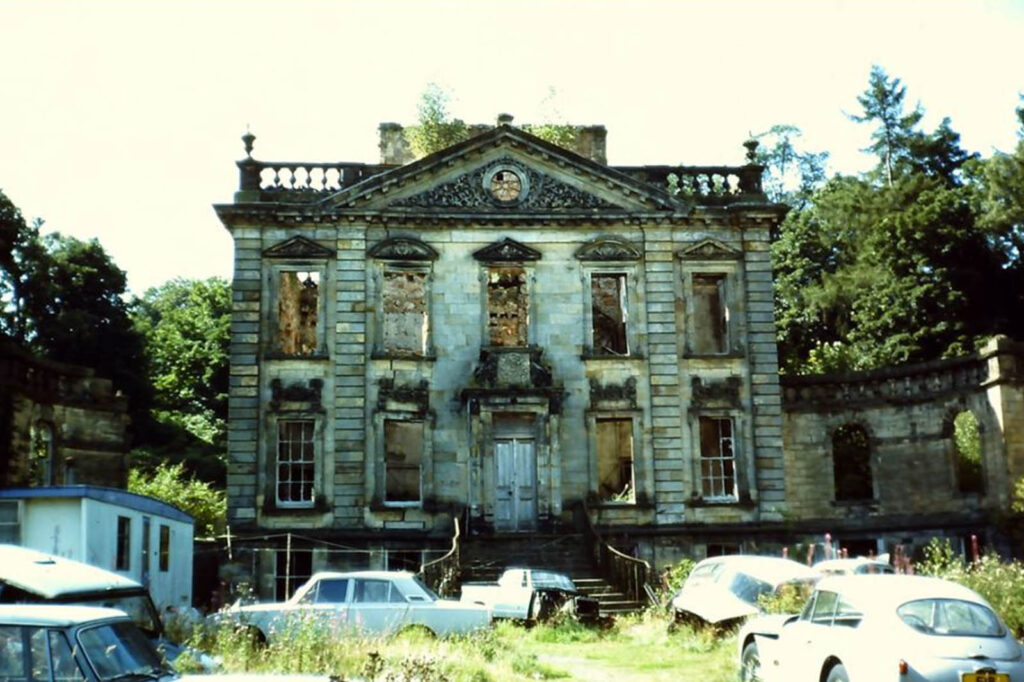
Archie Stevenson turns the area around house into a scrap yard
Coal Board reports that their plans to mine the Parrot Seam at nearby Bilston Glen Colliery would cause damage to Mavisbank
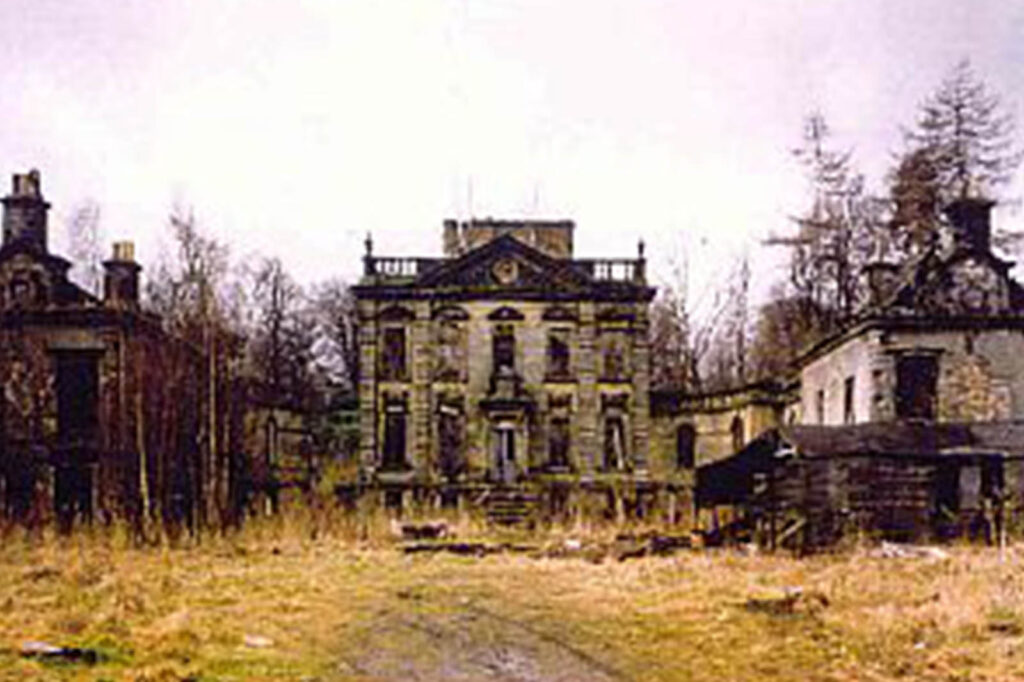
Responding to concerns over safety Midlothian District Council attempted to demolish Mavisbank House. Saved at the eleventh hour by Lothian Building Preservation Trust and volunteers. Temporary repairs and stabilisation works carried out
Nearby Bilston Glen colliery closed
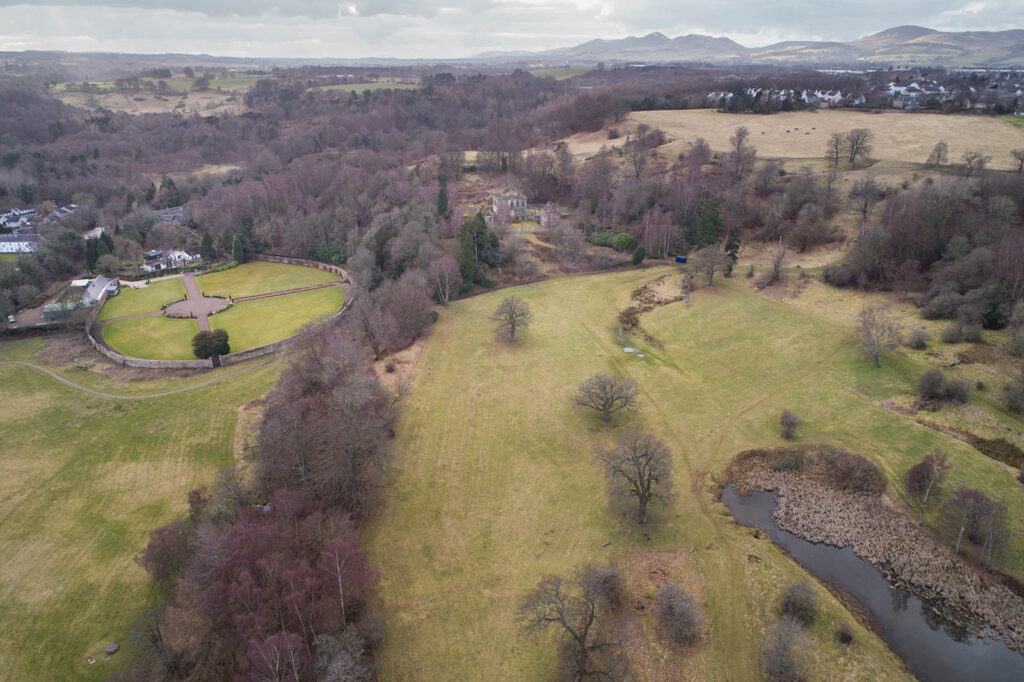
Policies bought by Secretary of State and then administered by Historic Environment Scotland
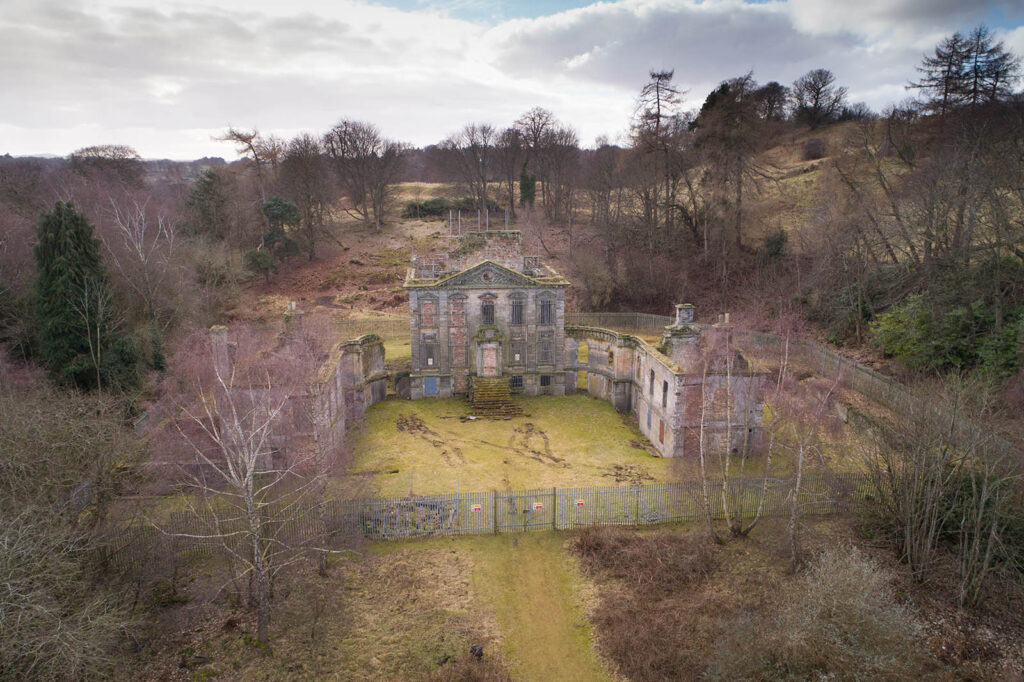
Various unsuccessful attempts by Mavisbank Trust to find a sustainable and viable future for the house
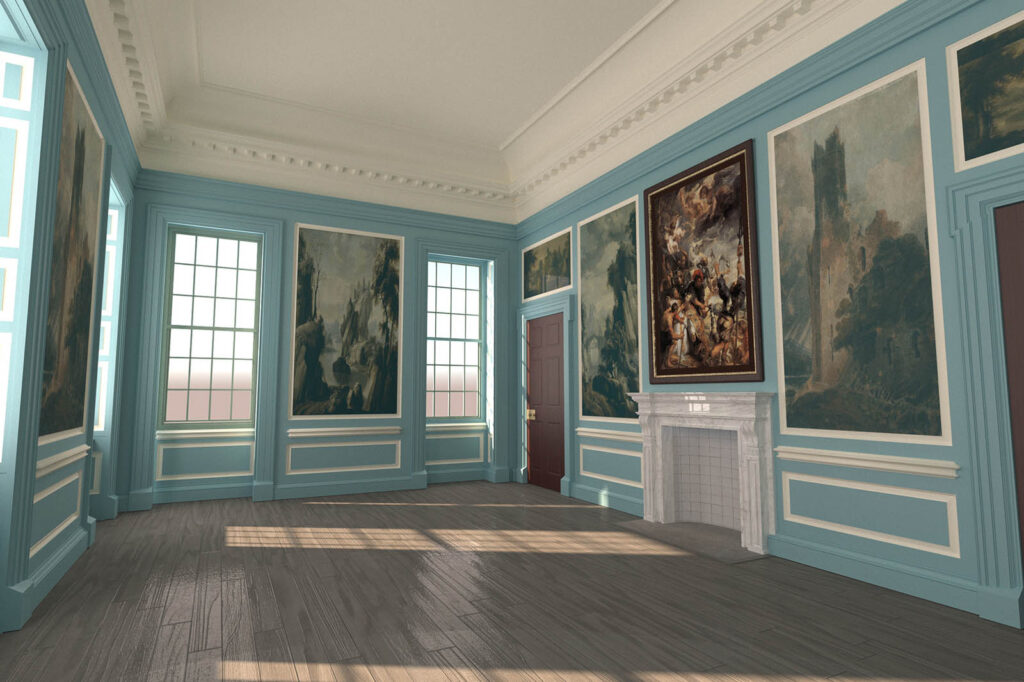
Landmark Trust successful in acquiring funding to stabilise the House
Planning permission granted for the stabilisation work to progress